Last updated: November 11, 2026
Converting a Warehouse or Factory Into a Data Center: What Building Owners Should Know
If you own a warehouse, a closed plant or an old mill, someone may have told you it would make a good data center. Sometimes that is true. Data center operators have turned a newspaper printing plant, a paper mill and several warehouses into working facilities. But what makes those buildings work is rarely the building alone. It is the power the site can get, the structure and the room around it. This page explains what operators look for, what real conversions kept and rebuilt, and how to tell whether a buyer would want your building or just your land.
Quick answer
Yes, warehouses and factories do get converted into data centers, but the building is usually the second question. The first is whether the utility can deliver far more power to the site than the building uses today. After that, operators look at floor strength, roof capacity, clear height, outdoor space for generators and cooling equipment, industrial zoning and fiber. Reusing a sound shell can save the time it takes to permit and build a new one; the electrical and mechanical systems inside are new regardless. Many buyers value an old plant mainly as a large, industrially zoned site with an existing electrical service, and some will demolish the structure.
Real Conversions, and What They Had in Common
Public project records give a useful picture of what operators keep and what they rebuild. None of these is a promise about your building, but together they show the pattern.
Chicago Sun-Times printing plant to QTS Chicago
According to Building Design + Construction’s 2016 Reconstruction Awards write-up, QTS converted the printing plant, closed since 2011, into a 317,000-square-foot data center on 30 acres near Chicago’s Loop, with construction from January 2015 to June 2016. The write-up says QTS prefers retrofitting to new construction and was attracted by the plant’s structural bones, high ceilings and reinforced floors. A printing plant was built to carry heavy presses, which is close to what a data center needs.
Summa paper mill to Google Hamina, Finland
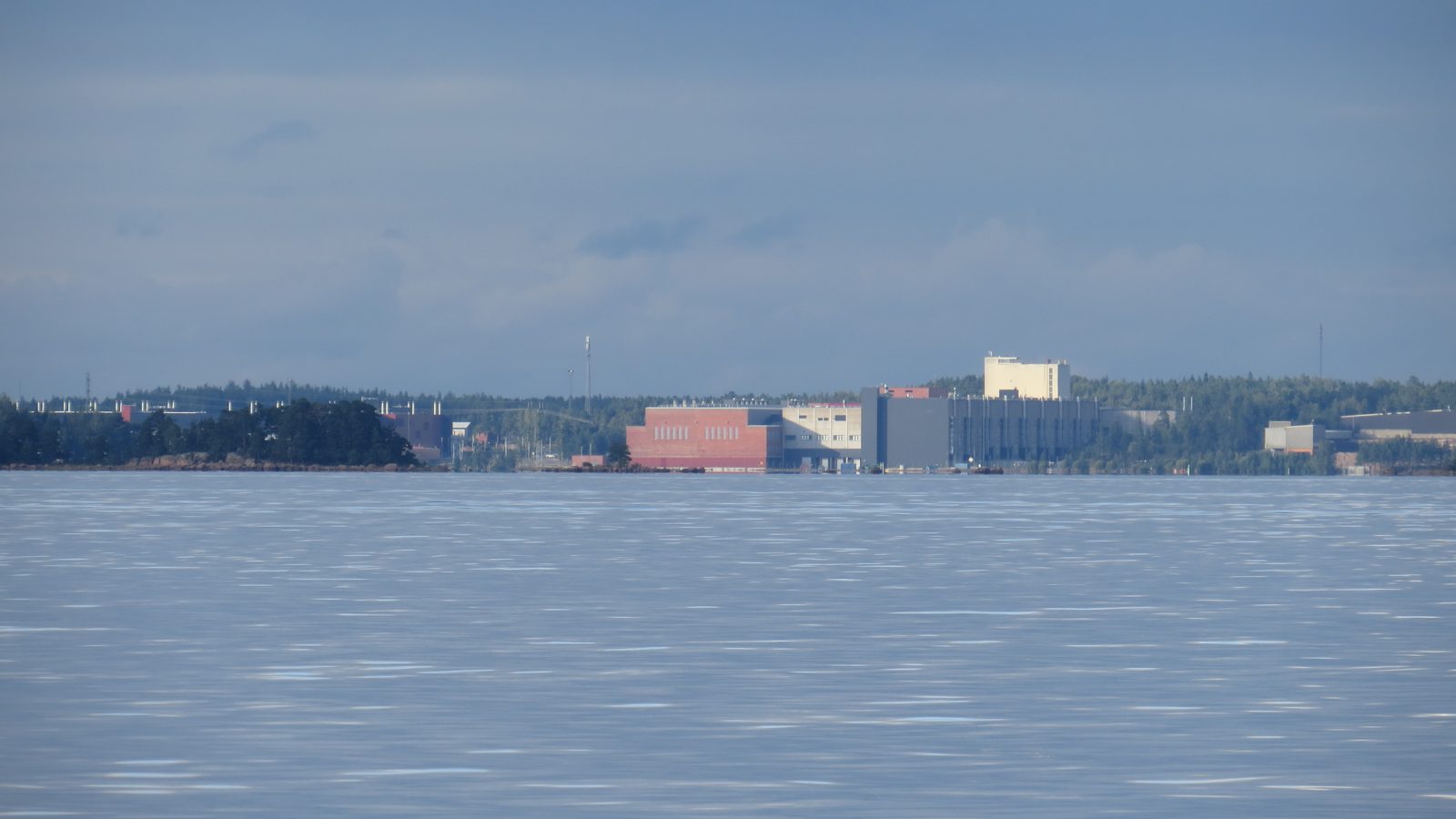
Google’s location page lists three reasons it chose Hamina: a skilled local workforce, an existing paper mill that could be repurposed, and the right mix of energy infrastructure. Google bought the mill and neighboring land in 2009 and opened the data center in 2011. The site cools with seawater from the Bay of Finland, an asset the mill’s industrial history left behind.
Shipping warehouse to ORD02, Chicago
Contractor Verity Commercial describes a 225,000-square-foot shipping warehouse retrofit, starting in 2021, into a data center designed for four 8 MW data halls. Switchboards and UPS systems went into external containers, and a platform was added at the north end of the building for chillers to avoid further reinforcing the roof.
Warehouse to 8 MW colocation, Manchester, England
Currie & Brown’s project page describes removing old offices and loading docks, building a two-storey steel frame inside the warehouse, and adding a separate internal roof over the data halls, for 7,000 square meters of data hall space and 8 MW of IT capacity. The firm says keeping the shell saved the time a new structure would have taken.
Transport warehouse to HPE Wynyard, England
Structural engineer BWB describes a 360,000-square-foot former transport warehouse converted for Hewlett Packard Enterprise, with an independent internal steel frame and ten 2 MW standby generator sets.
The common thread: the operators kept the envelope and the location, and built a new structure, power system and cooling plant inside or beside it. In two of the warehouse cases, the existing roof could not take the equipment and the design worked around it.
What Operators Check on an Existing Building
Electrical service and utility capacity
The size of the existing service, the voltage it arrives at, distance to the nearest substation, and whether the utility will commit to serving a much larger load. This is the gate everything else waits behind.
Floors and structure
Data halls, batteries and transformers are heavy. Reinforced slabs and a sound frame are a reason operators pick one building over another; weak slabs are a common reason they don't.
Roof and clear height
Operators often put equipment on or above the roof, or need room for raised floors and overhead cable and cooling. In the Chicago warehouse retrofit, chillers went on a new platform specifically to avoid further reinforcing the roof.
Yard space around the building
Generators, chillers, switchgear and sometimes a substation sit outside. The Chicago retrofit placed switchboards and UPS in external containers; the HPE Wynyard facility houses ten 2 MW standby generator sets.
Zoning and neighbors
Industrial zoning usually helps. Generator air permits and noise limits still apply, and they are easier to meet on a site with distance from homes.
Fiber and access
Proximity to long-haul and metro fiber, plus truck access for oversized electrical equipment deliveries.
Power deserves the most attention because it is the hardest to fix. A building that drew a few megawatts as a plant may be asked to serve many times that as a data center, and the utility decides whether that is possible and when. Our guide to how much power a data center needs explains the scale, and utility will-serve letters explains the document buyers will ask for.
Site intake
Own an industrial building with heavy power?
Data center developers are paying premiums for powered land — get a realistic read on your parcel. Free, no obligation unless a deal closes.
Send the address, the building and lot size, and what you know about the electrical service. We review it against the criteria data center buyers use. A submission is not a listing and does not obligate you.
Your information is reviewed privately. A submission is not a listing, and it does not obligate you unless a deal closes.
Building Asset or Land Asset? Be Honest About Which You Have
Owners naturally think of the building as the value. Data center buyers often see it differently. A large, industrially zoned parcel with a big existing electrical service and a substation down the road can be worth a great deal to them even if the structure on it is coming down. A beautiful modern warehouse on a site the utility cannot serve for years may interest them very little.
A rough way to sort it: the building matters most when it has heavy floors, height and a sound frame, and the buyer wants to be operating quickly in a market where new construction is slow to permit. The land matters most when the campus the buyer has in mind is bigger than the building, or the building’s layout fights a modern data hall. Most real sites are some of each. Either way, the electrical service and the utility’s answer about future capacity are the facts that move a buyer, so gather them before you market the property.
For the broader picture of which industrial site types tend to attract developers, see power-ready industrial sites.
The Environmental Question Comes With the History
A former printing plant, mill, foundry or chemical warehouse carries its past with it. Expect a buyer to order a Phase I environmental site assessment, and a Phase II if the history or the Phase I points to possible soil or groundwater contamination. Older buildings can also contain asbestos, lead paint or PCB-containing electrical equipment that has to be handled before demolition or renovation.
None of this rules a site out. Data centers have been built on remediated industrial land, and our page on brownfield sites for data center development covers how cleanup programs and liability protections work. What hurts a sale is surprise. A recent Phase I, any prior reports, and records of past cleanups or tank removals in a data room tell a buyer you are serious. See environmental site assessment for data center land for what those reports cover.
Permits That Change When the Use Changes
Industrial zoning often allows a data center, but not always by right, and a change of use can bring a fresh review. Three items come up on almost every conversion:
- Use and site plan approval. Some jurisdictions list data centers separately from warehouses and require a special or conditional use. Check the local code, not just the zoning district name. Our zoning and permitting guide walks through the common paths.
- Backup generator air permits. Rows of diesel generators trigger air permitting that a warehouse never needed. See generator air permitting.
- Noise. Chillers, fans and generator testing are louder than most warehouse operations, and local noise limits at the property line apply. See noise ordinances and setbacks.
What to Pull Together Before You Talk to a Buyer
- Building drawings, the year built, and any structural reports, including slab design or load information.
- Roof age, type and any engineering on what it can carry.
- The electrical service: size, voltage, the utility, the account, and the nearest substation you know of.
- A recent utility bill or demand history showing what the building actually used at its peak.
- Lot size, yard and parking areas, and a site plan showing setbacks and neighbors.
- Zoning designation and any prior approvals or variances.
- Phase I or II reports, asbestos surveys, tank records, and any cleanup letters.
- Known fiber providers serving the building or the street.
The question to ask the utility first
Not “how much power does my building have?” but “how much more could this site get, at what voltage, and roughly when?” The answer can turn an ordinary warehouse into a sought-after site, or tell you the building’s best buyer is a logistics tenant, not a data center. Utilities increasingly route large-load requests through formal study processes, so get the request in early.
Frequently Asked Questions
Can a warehouse be converted into a data center?
Yes, and it has been done many times. A shipping warehouse in Chicago was retrofit into a 225,000-square-foot data center with four 8 MW data halls, according to the contractor's project page, and a Manchester, England warehouse was converted into an 8 MW colocation facility by building a two-storey steel frame inside the existing shell. Whether your warehouse qualifies depends mostly on the power the utility can deliver to the site, then on structure, roof capacity, clear height and zoning.
What makes an industrial building attractive for a data center conversion?
Power first: an existing high-capacity electrical service or a substation nearby, and a utility willing to serve a much larger load. After that, operators look for structure that can carry heavy equipment, high ceilings, a large flat site with room for generators, chillers and a substation, industrial zoning, and fiber nearby. QTS said it was drawn to the former Chicago Sun-Times printing plant by its structural bones, high ceilings and reinforced floors.
Is it cheaper to convert a building than to build a new data center?
Not automatically. Reusing a shell can save the time it takes to permit and build a new structure, which is why operators do it. But the mechanical and electrical systems, which make up most of a data center, are new either way, and retrofits can uncover conditions that change cost and schedule. Many buyers treat an older building as a site with a head start, not as a finished asset.
Will a data center buyer keep my building or tear it down?
Either can happen. Some operators keep the shell and build new data halls inside it; others value the land, the zoning and the electrical service and demolish the structure. Ask a buyer directly which they plan, because it affects environmental due diligence, demolition responsibilities and how the price is set.
Do I need a Phase I environmental assessment to sell an old plant for a data center?
Expect the buyer to require one, and often a Phase II where the history warrants it. Former manufacturing, printing and mill sites can carry soil, groundwater or building-material issues that need to be understood before closing. Having a recent Phase I ready can shorten the conversation.
General information, not engineering, legal, environmental or appraisal advice. Every building and jurisdiction is different; have qualified professionals evaluate your property.
Sources
- Building Design + Construction, “Reconstruction Awards: QTS Chicago Data Center,” November 16, 2016 (bdcnetwork.com).
- Google Data Centers, “Hamina, Finland” location page (datacenters.google), checked November 11, 2026.
- Verity Commercial, “ORD02 Chicago Data Center Retrofit” project page (veritycommercial.com).
- Currie & Brown, “Turning a constrained warehouse into 8MW of data centre capacity” (curriebrown.com).
- BWB Consulting, “Wynyard Data Centre” case study (bwbconsulting.com).
Site intake
Find out whether your building or your land is the asset
Data center developers are paying premiums for powered land — get a realistic read on your parcel. Free, no obligation unless a deal closes.
Submit your property for a confidential review against the criteria data center developers use. Free, and no obligation.
Your information is reviewed privately. A submission is not a listing, and it does not obligate you unless a deal closes.
Landowner path
Own power-adjacent land?
Guides on this site explain what developers look for. The intake is how you get a realistic read on a specific parcel — free, and no obligation unless a deal closes.
- What interconnection queues mean for landowners
- Land near substations
- Selling land to data center developers
- Site requirements
- Indiana
- Ohio
- North Carolina
- Georgia
- Texas
- Boone County, IN — Lebanon / LEAP
- St. Joseph County, IN — New Carlisle
- LaPorte County, IN — Kingsbury / Michigan City
- Licking County, OH — New Albany corridor
- Catawba County, NC — Maiden
- Richmond County, NC — Hamlet–Rockingham
- Submit your parcel