
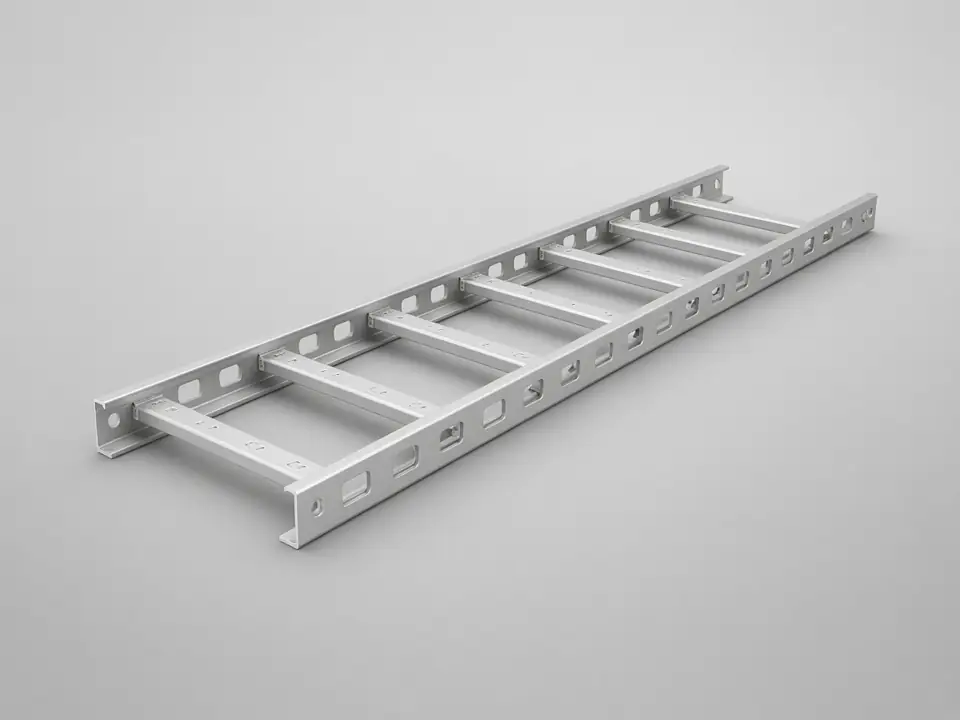
PRS-CT-LAD12
Aluminum ladder cable tray
Straight ladder sections for heavy feeder and backbone runs overhead.
Quote by width, rail height, length, and aluminum or steel. Include fittings if the route turns.
Request quote — lowest pricing
Data center products · quote only · separate from land submissions
Have land instead? Submit a siteQuote lines
Overhead tray is what lets a US data hall keep adding circuits after the first fit-out. Ladder tray carries the heavy feeders. Basket tray takes the drops that move every refresh. Builds in Virginia and Texas, two markets already covered on this site, usually buy straight sections plus fittings rather than one part number.
Quote this category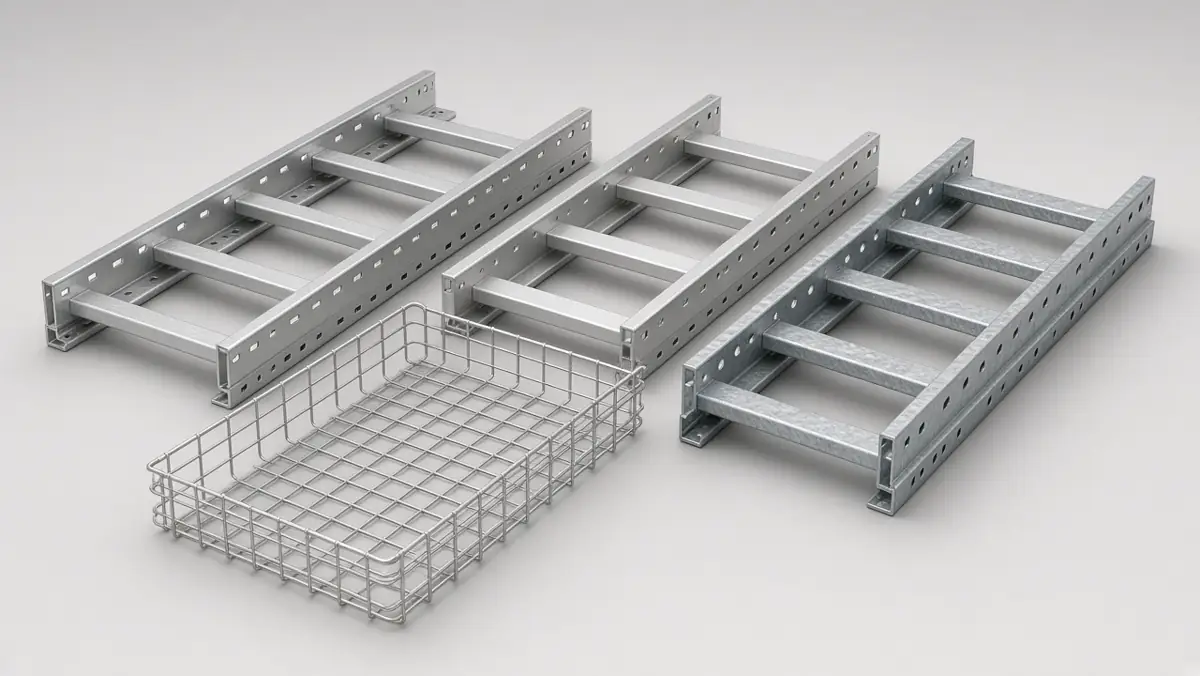
Cable tray is the overhead and underfloor pathway that keeps power feeders and communications cable out of a tangle as a hall fills up. On a US data center build, ladder tray is the spine for the heavy runs leaving the electrical room. Basket tray picks up the lighter drops into a row. Solid-bottom tray is used where the cable passes over equipment that cannot take falling debris or drips.
Crews hang the tray before the feeders are pulled, then come back as rows are added. That is why a quote is usually straight sections plus fittings, not a single length. Turns, tees, reducers, and covers often cost as much attention as the ladder itself. The supports are a separate assembly: see hangers and strut hardware. The cable in the tray is building wire or, for the network plant, fiber.
Bonding matters once the tray is metallic and continuous. Splices and expansion joints get bonding jumpers so the pathway is not a floating conductor. Width and load are design questions for the engineer. The quote needs those numbers. It does not replace the pathway drawing.
Ladder tray is the default overhead spine when feeders and backbone fiber share a route. Wire-mesh basket is lighter and easier to drop out of. Solid-bottom tray is the pick when the run passes over gear that cannot take dust or drips. Aluminum is common indoors. Steel shows up where the spec calls for it.
The hangers that hold the run are a separate quote. See hangers and the wire that actually sits in the tray.
Width, rail height, total feet, aluminum or steel, and whether the route turns. Fittings, covers, and bonding across splices change the price as much as the straight sections. If the tray has to bond to the grounding system, add bonding jumpers to the same request.
PRS-CT-LAD12
Straight ladder sections for heavy feeder and backbone runs overhead.
Quote by width, rail height, length, and aluminum or steel. Include fittings if the route turns.
Request quote — lowest pricing
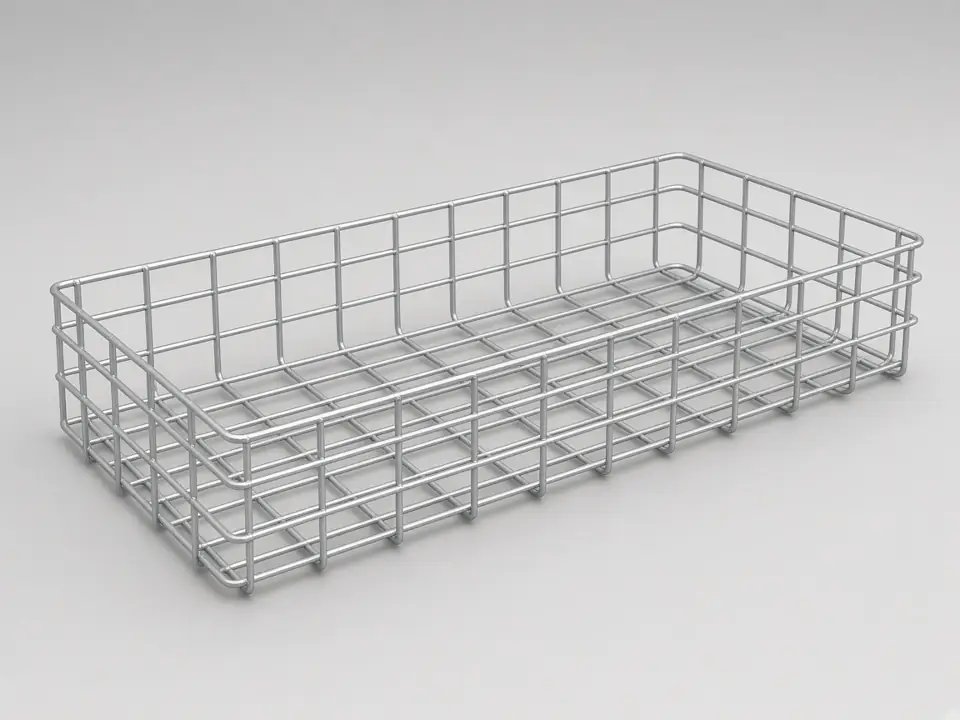
PRS-CT-MESH08
Open basket for lighter power, controls, and fiber drops that change often.
Quote by width, depth, and finish. Useful where crews need to drop cables out the side.
Request quote — lowest pricing
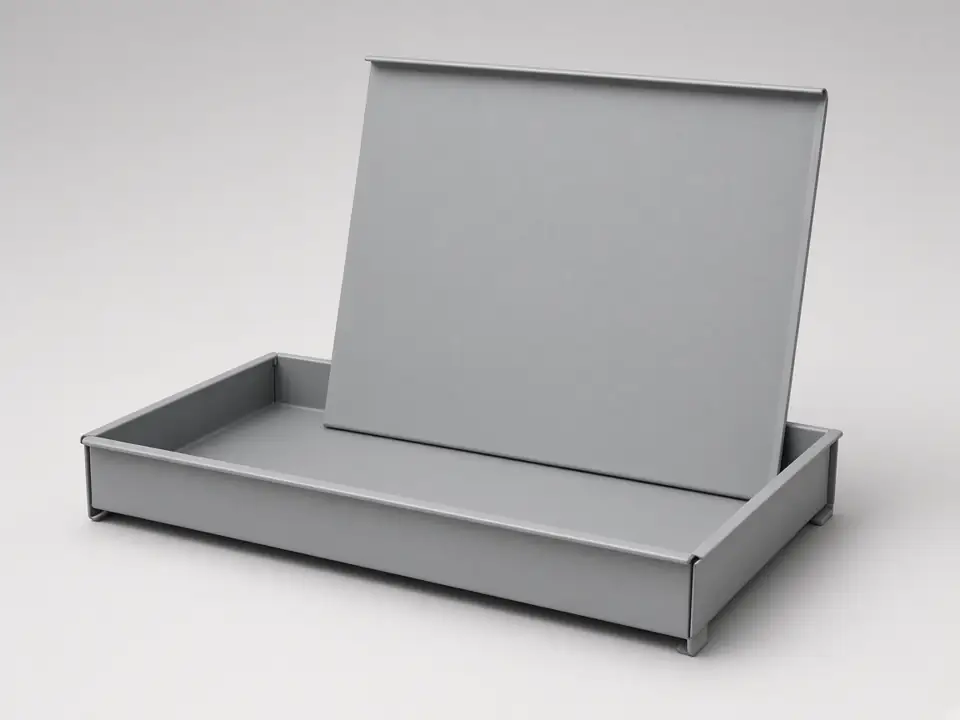
PRS-CT-SB06
Closed bottom when the run needs drip or dust control under sensitive gear.
Quote by width, length, and cover requirement. Note indoor or outdoor exposure.
Request quote — lowest pricing
Codes keep a quote attached to the right line in this catalog. They are not a manufacturer part number. If you have a spec, put it in the notes. We price that request, not a shopping cart.
Ladder tray carries heavier feeders and long straight runs. Wire-mesh basket is easier to drop out of and suits controls, fiber, and circuits that move at the next refresh. Many halls use both: ladder on the spine, basket at the row. Solid-bottom tray is the exception, used where the run needs a closed bottom.
Quote the width, rail height or basket depth, and total feet the drawing shows, plus a note if the route turns. A 12-inch ladder section is a starting line in this catalog, not a claim that every hall uses 12 inches. Fill and future adds are an engineering call. Send the spec you have.
Aluminum is the common indoor ask because it is lighter to hang. Steel shows up where the spec requires it, including some outdoor or higher-load runs. Say which one, and the finish if the tray is in a wet or corrosive yard. We do not pick the material for you.
If the route turns, rises, or changes width, yes. Elbows, tees, reducers, splice hardware, and covers change the price. A quote for straight sections only will not match a pathway that leaves the electrical room and turns down a row.
Metallic sections are spliced so the run stays electrically continuous, including across expansion joints that need a flexible jumper. Those jumpers are quoted separately. The tray bond is not a substitute for the below-grade grid or the room ground bar.
We do not print a lead time. Common sizes and odd widths, aluminum and steel, and a fittings-heavy job do not move on the same schedule. The quote is where timing gets stated for the spec you sent. Nothing on this page is a promise of stock.


