
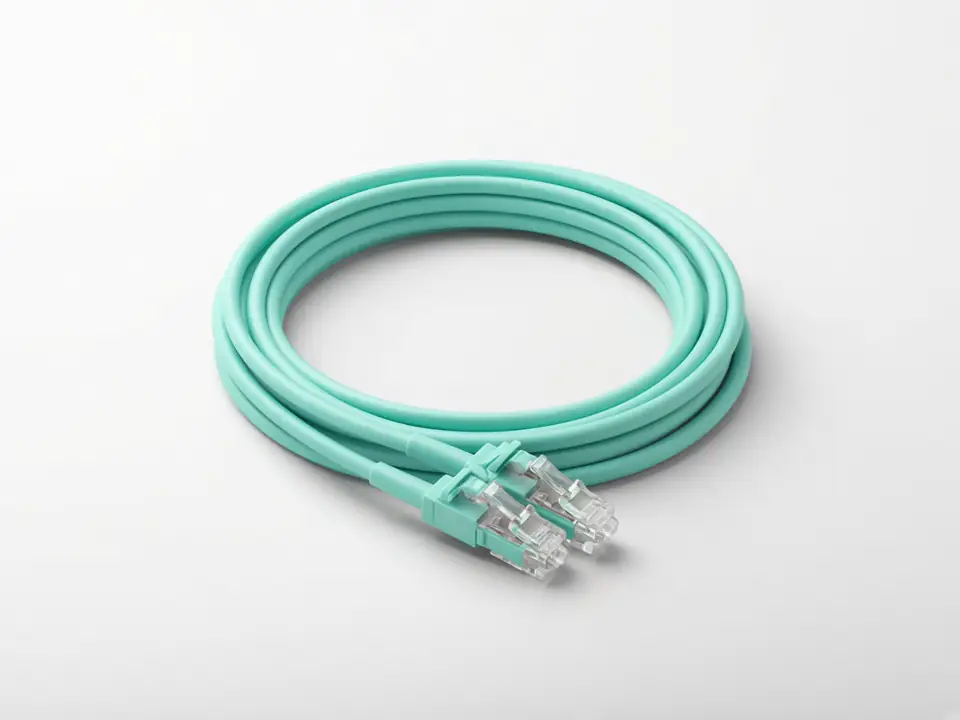
PRS-FJ-OM4
LC–LC OM4 duplex jumper
Multimode duplex patch cord for short plant runs and row-to-row patching.
Quote by length, jacket (riser or plenum), and polish. Duplex clip orientation if it matters.
Request quote — lowest pricing
Data center products · quote only · separate from land submissions
Have land instead? Submit a siteQuote lines
These are in-building fiber assemblies, not the route that reaches the parcel. Whether long-haul fiber can get to a site is covered in fiber connectivity requirements. A Miami subsea landing, described on the Florida land page, does not set the jumper spec inside the hall.
Quote this category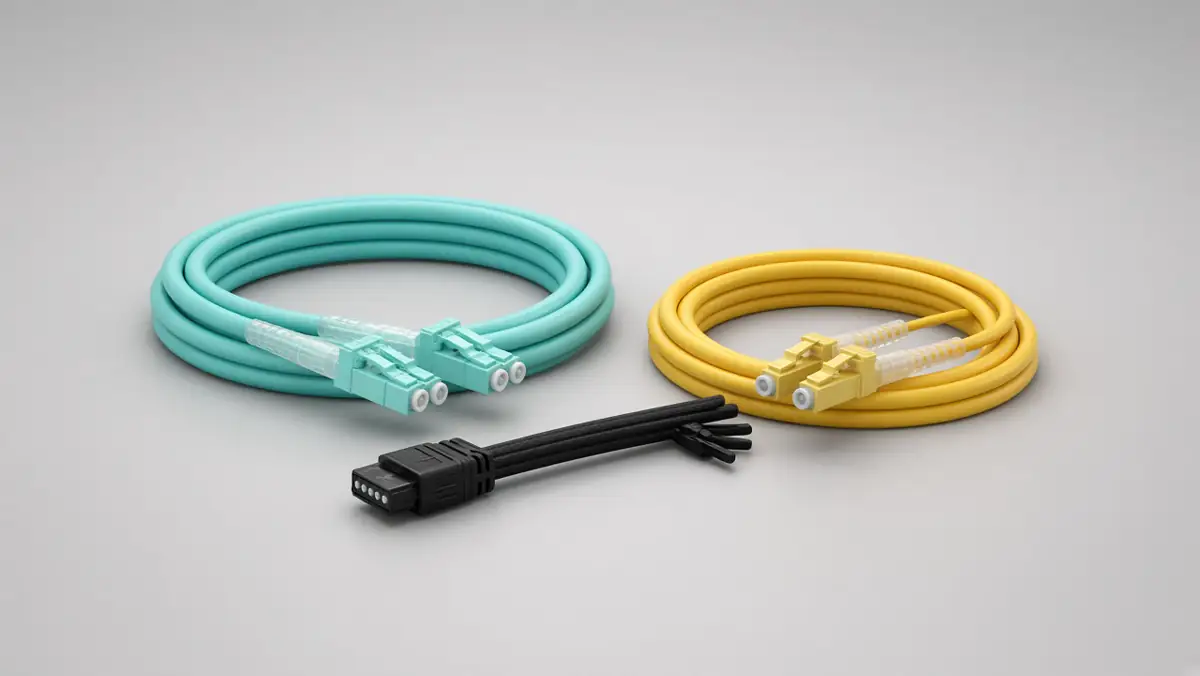
Fiber jumpers and trunks are the in-building plant: the cords between a switch and a patch panel, and the factory-terminated cables between the meet-me room, the MDF, and the row. They are not the long-haul route that decides whether a parcel has connectivity. That site question is covered in fiber connectivity requirements.
Multimode OM4 duplex jumpers cover short aqua runs inside a row. Singlemode OS2 covers the longer yellow runs and most entrance links. Trunks carry a fiber count between rooms so crews are not pulling hundreds of individual cords through the pathway. Jacket rating follows the space: riser or plenum. Polish follows the panel: UPC is common, APC when the spec says so.
The pathway those cords sit in is often cable tray or a J-hook run until the tray is built. A Miami subsea landing, which is why some Florida sites get a connectivity premium, does not change the jumper length inside the hall. Quote length, connector, mode, and count.
OM4 duplex jumpers cover short multimode patching between rows. OS2 duplex jumpers cover singlemode runs that leave the row. UPC is the usual polish. Say so if the panel calls for APC. Riser versus plenum jacket follows the space the cord passes through.
Jumpers still need a path. If the overhead route is not built yet, quote cable tray with the fiber.
A pre-terminated trunk is the backbone between the meet-me room, the MDF, and the row. Fiber count, length, connector, and whether you need a pulling eye are the quote inputs. Polarity and a panel drawing in the notes keep the assembly from coming back reversed.
PRS-FJ-OM4
Multimode duplex patch cord for short plant runs and row-to-row patching.
Quote by length, jacket (riser or plenum), and polish. Duplex clip orientation if it matters.
Request quote — lowest pricing
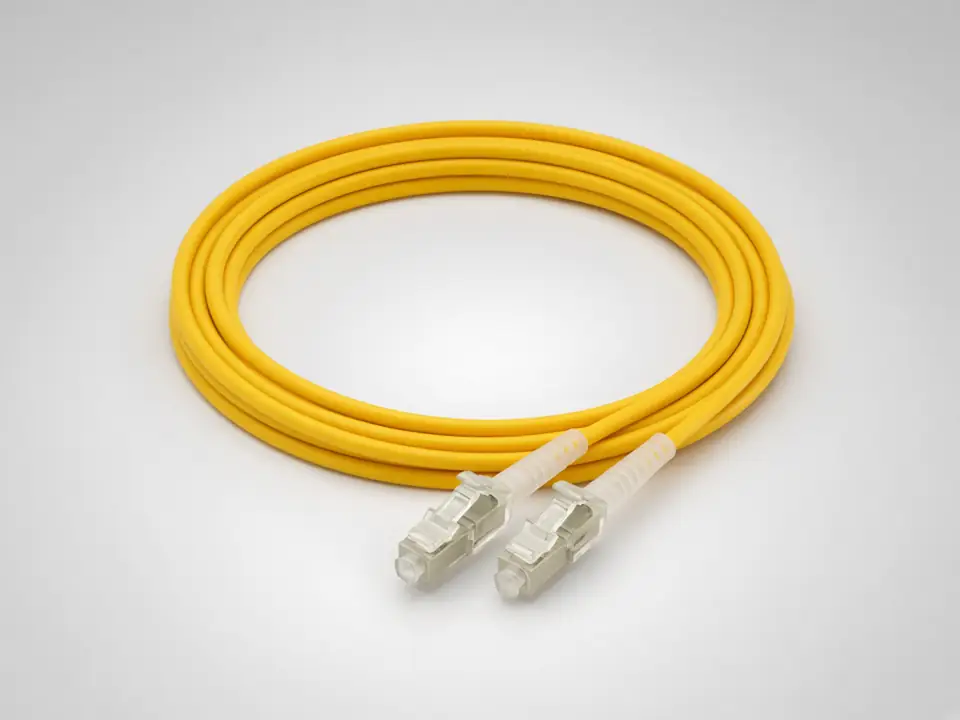
PRS-FJ-OS2
Singlemode duplex patch cord for longer in-building and entrance links.
Quote by length and jacket rating. UPC is the usual ask; say if you need APC.
Request quote — lowest pricing
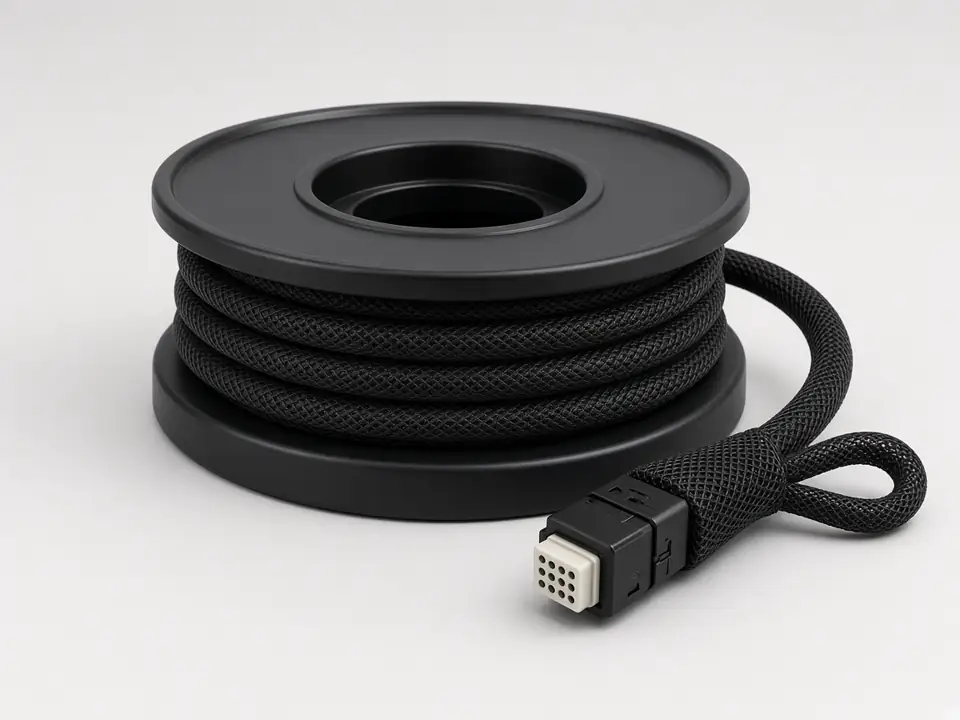
PRS-FJ-TRUNK
Factory-terminated backbone between meet-me, MDF, and row panels.
Quote by fiber count, length, connector, and pulling eye or reel requirement.
Request quote — lowest pricing
Codes keep a quote attached to the right line in this catalog. They are not a manufacturer part number. If you have a spec, put it in the notes. We price that request, not a shopping cart.
A jumper is a short duplex cord, usually LC to LC, used to patch one circuit. A trunk is a multi-fiber assembly between panels or rooms, often with a pulling eye. Quoting a jumper when you need a 144-fiber backbone will not match the job.
OM4 multimode is the usual short-reach plant inside a row. OS2 singlemode is the usual choice once the run leaves the row or hits an entrance panel. Many halls use both. Mode has to match the optics. Sending the transceiver type in the notes avoids a cord the switch cannot use.
No. Jumpers assume fiber is already in the building or on the way to the panel. Whether a parcel can reach long-haul fiber is a site-selection issue. See fiber and connectivity requirements. Buying trunks does not create a route across a county.
The patch-panel schedule or a measured path, including service slack. Too-short cords get replaced. A coil of extra length in a tray is a snag risk, but a little slack at the panel is normal. If you only know the row count, say that and we will not invent a footage.
UPC is the common data-center polish on LC jumpers. APC is a spec item, often where the link requires it. Mixing them does not mate cleanly. If the panel is unmarked, say unknown rather than guessing.
Standard duplex lengths are a different buy from a high-count trunk with a specific polarity and pulling eye. We do not publish either clock here. The quote covers the assembly you described. Catalog codes are not a manufacturer part number.


